High timber prices, the perfect time for selective logging
Today’s historically high timber prices—beating expectations again and again—highlight how hard it is to time the market. But forest owners who use selective logging (plockhuggning) can stay calm, they’re always “in the market” because they continuously have harvest-ready timber available.
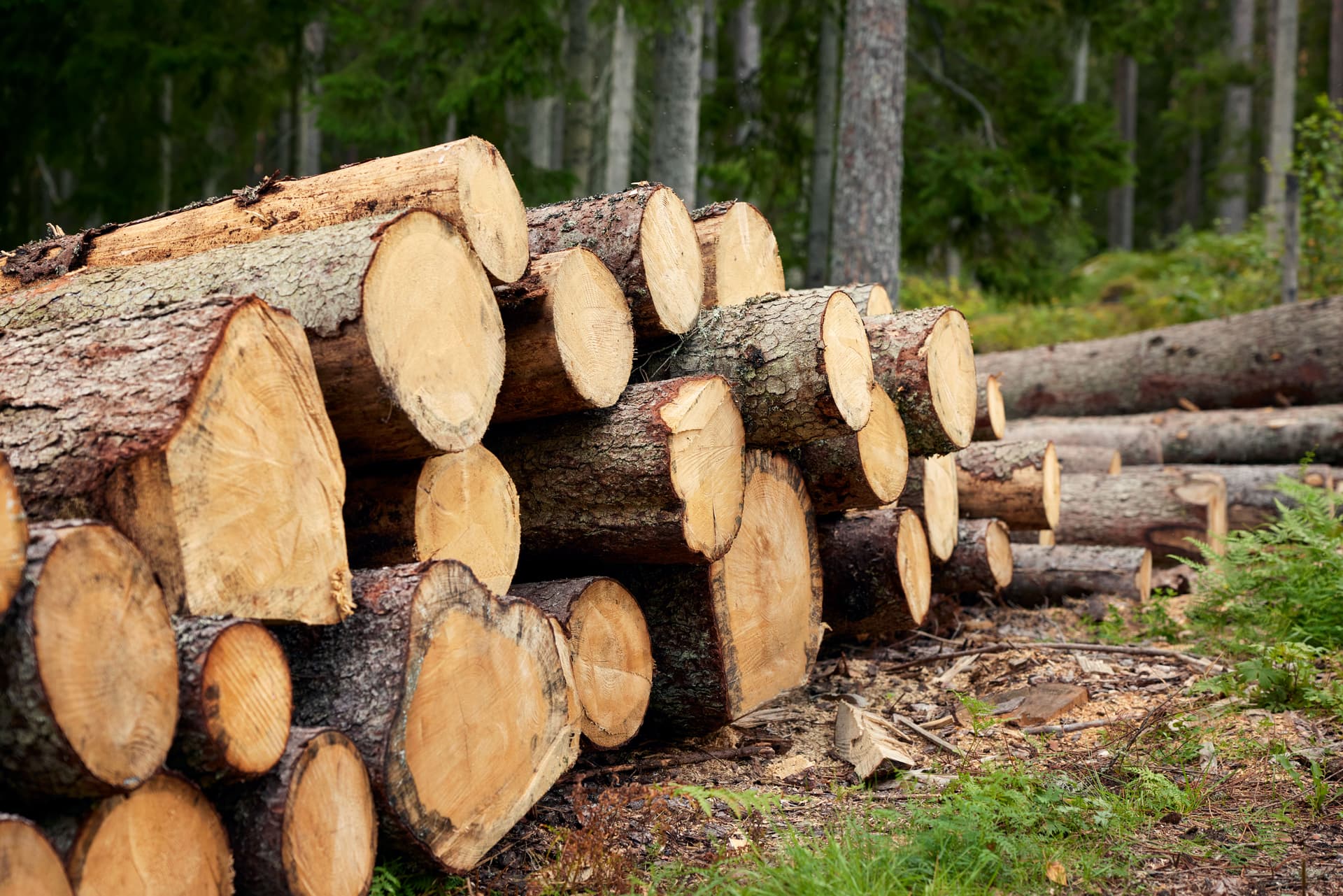
Timber prices have risen steadily in recent years, but according to several observers they may be nearing a plateau—or perhaps starting to dip. Along the way, many old “truths” about what counts as a high timber price have been challenged, and anyone who has sold timber in multiple rounds has been able to do well.
Selective logging (plockhuggning) is especially well-suited for navigating a market like this, where it’s hard to know whether today’s price is high or low. That’s because you harvest part of the forest while leaving the rest standing—avoiding the risk of being “out of the market” when price peaks arrive.
Even if current prices look high, we don’t know whether the coming years could bring even higher prices. A shortage of final fellings (slutavverkningar) after historically high harvest levels—combined with many new players increasing competition in the Swedish timber market—could push prices higher in the years ahead.
Over the longer term, selective logging brings even more advantages, because it often yields higher-quality sawlogs—typically much less sensitive to economic cycles than lower-quality logs or pulpwood. Add preserved property value over time and gradually improved resilience to storms and pests, and selective logging becomes an even more economically competitive option.
Hyggligt’s optimized selective harvests take all economic aspects into account while safeguarding future growth.
Read about more financial benefits of selective logging with Hyggligt
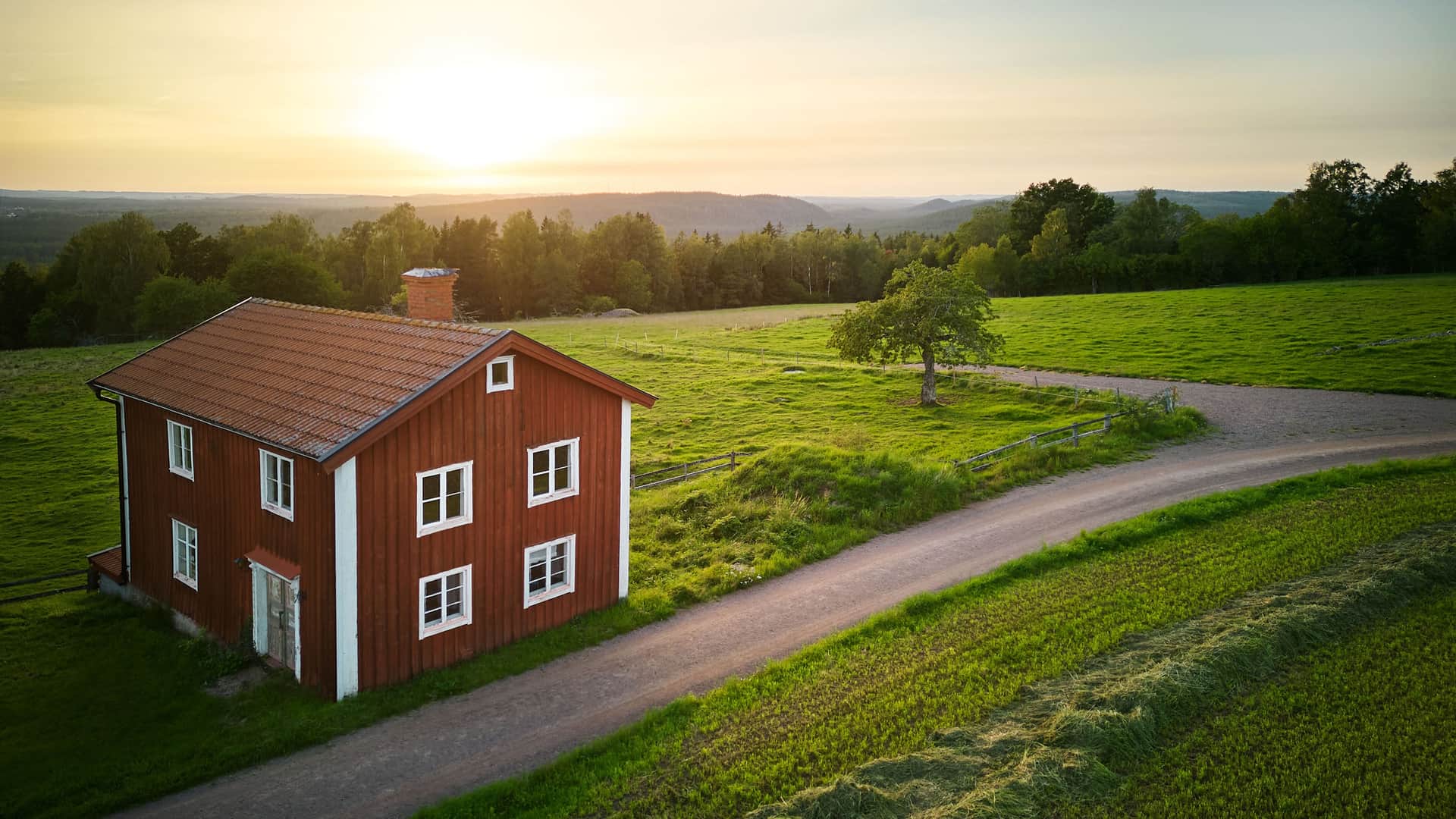
Preserving property value with continuous-cover forestry
2 min read
A steadier income stream with continuous-cover forestry
2 min read
Lower logging and silviculture costs
2 min read
More timber in higher-paid assortments with Hyggligt
2 min read
Making better use of the forest’s ecosystem services
3 min read