Making better use of the forest’s ecosystem services
The benefits forests provide to society are called ecosystem services (ekosystemtjänster) and include everything forests can contribute. Today, the forest’s full potential often isn’t used—because timber production is usually prioritized above all else.
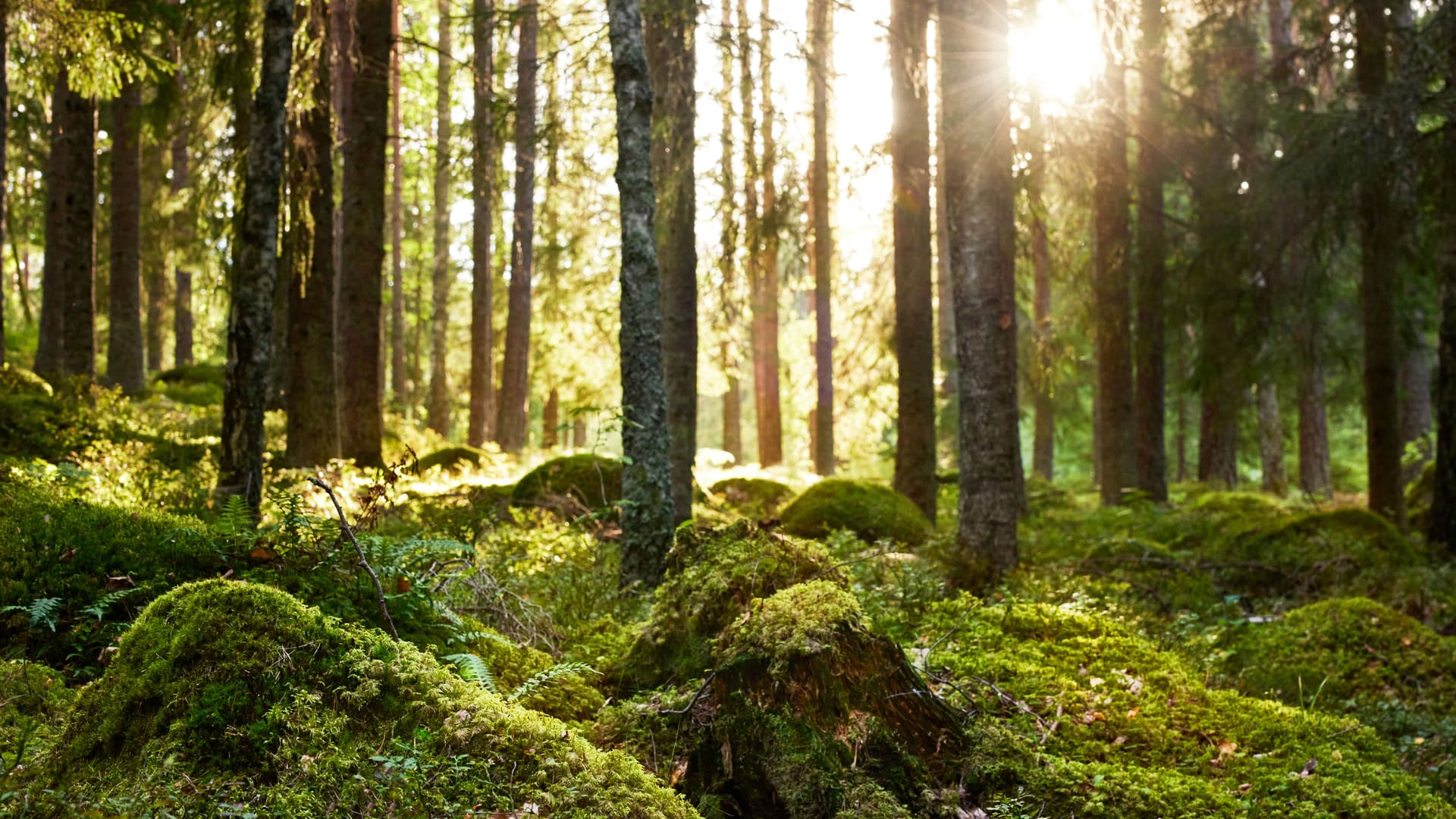
The benefits forests can provide to society are called ecosystem services (ekosystemtjänster) and include everything a forest can contribute—such as timber production, air purification (a carbon sink (kolsänka)), water regulation (reducing flood risk), food production, and recreation. Today, forests’ full potential often isn’t used, because decisions about management typically prioritize timber production above all else.[1]
Ecosystem services are hard to price
This is partly about how forests have historically been valued as a resource, and partly about forest owners’ ability to be compensated. It’s straightforward to value a forest—and get paid—for timber measured in cubic meters, but it’s much harder to get paid for and assign a value to the other ecosystem services.
Carbon credits as an alternative income stream
By managing forests with continuous-cover forestry (hyggesfritt skogsbruk), forest owners can help store carbon dioxide during this critical period—and be compensated by selling carbon credits, with their forest acting as a carbon sink. Today, several actors are working to establish carbon-credit systems, and Hyggligt works to connect our customers with these companies to offer an additional source of income.
Other ecosystem services are harmed by clearcut forestry
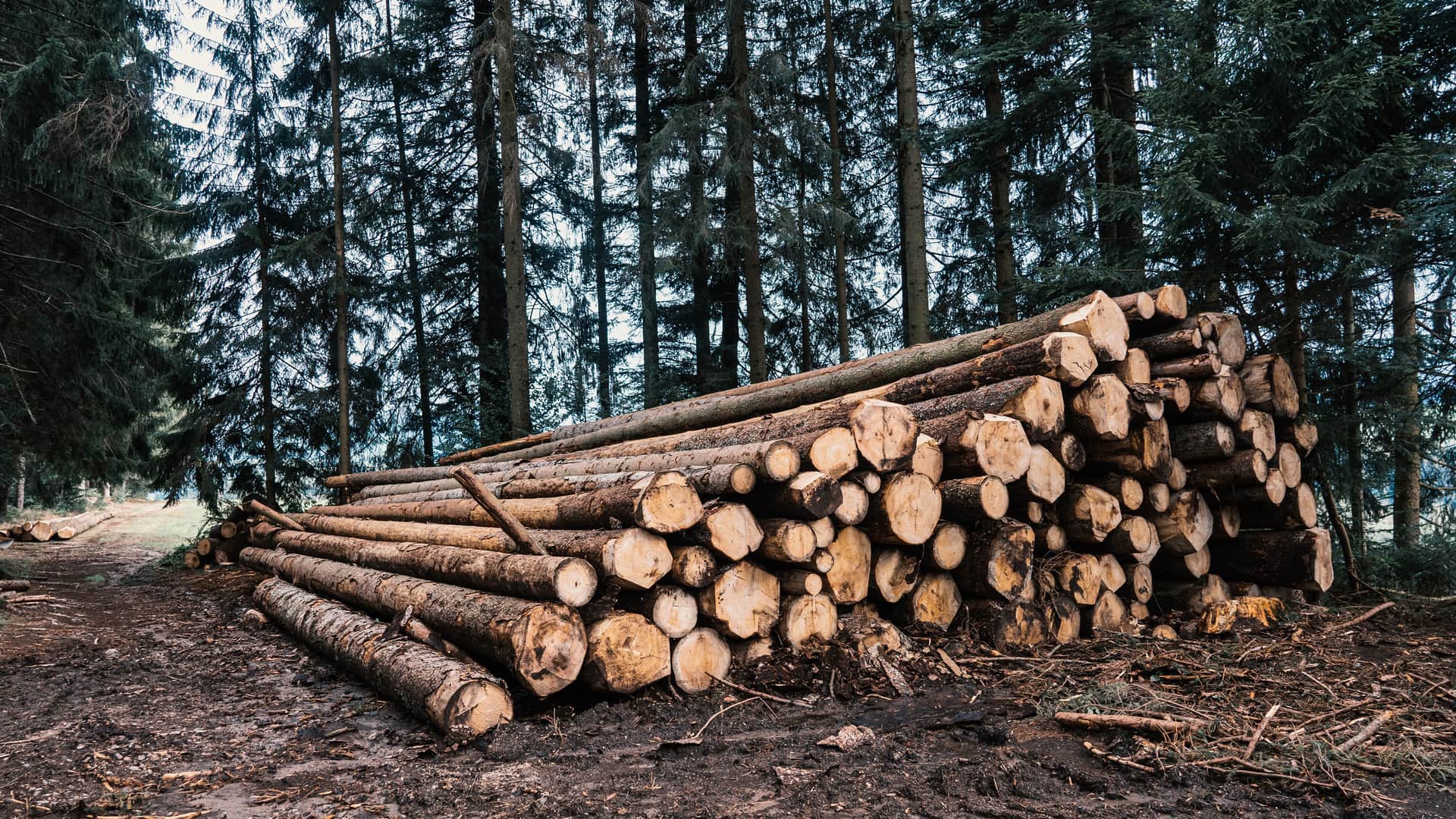
When forests are managed with clearcut methods (kalhyggesmetoder), the ecosystem service of high-volume timber production is favored—while other ecosystem services are disadvantaged. For example, the forest’s ability to clean the atmosphere and act as a carbon sink is reduced when large areas are replaced by clearcuts, which instead become a source of carbon dioxide.[2]
Clearcuts can be a source of carbon dioxide for about 20 years after harvesting. From a climate perspective, that is particularly serious, since the coming decades require steep cuts in emissions.
Matproduktion
Food production is another ecosystem service that can be supported in a forest managed with continuous-cover methods. Clearcut forestry often creates dense, dark stands, which disadvantage bilberry and lingonberry understory. Studies show that the share of land with this field vegetation has decreased by 19% since the 1990s.[1] Nitrogen fertilization to increase timber production further suppresses bilberry and lingonberry. Ground fungi are also negatively affected by clearcut forestry, which not only reduces opportunities to forage edible mushrooms but also weakens their symbiotic function that helps trees access water.
Rekreation och rikare turistnäring
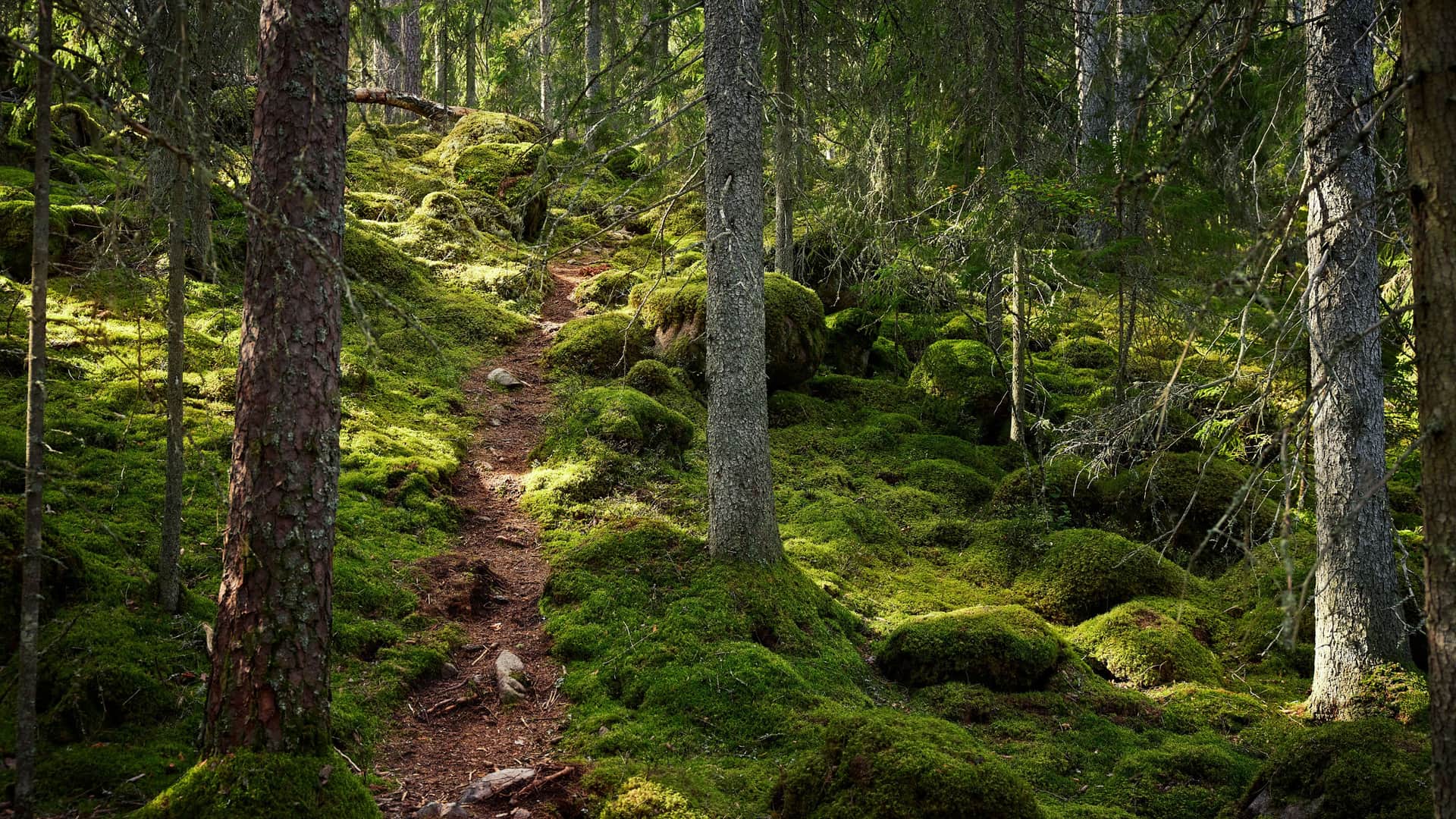
Recreation is an ecosystem service that benefits significantly from continuous-cover forestry—and for forest owners, that can translate into income from a stronger tourism economy. A successful example can be found in the forests around Tiveden National Park, where Sveaskog has transitioned 2,000 hectares to continuous-cover management—something the local tourism sector is very positive about. In these forests, it’s easier to attract tourism businesses such as trail riding, hiking, safaris, survival courses, and more—especially because the landscape looks similar year after year and nature values persist or even improve.
What all of these ecosystem services have in common is that they depend—at least to some extent—on biodiversity.
References
Världsnaturfonden (WWF) (2020) Skogsrapport.
Vestin, P. (2017) Effects of forest management on greenhouse gas fluxes in a boreal forest. Lunds universitet.