More timber in higher-paid assortments with Hyggligt
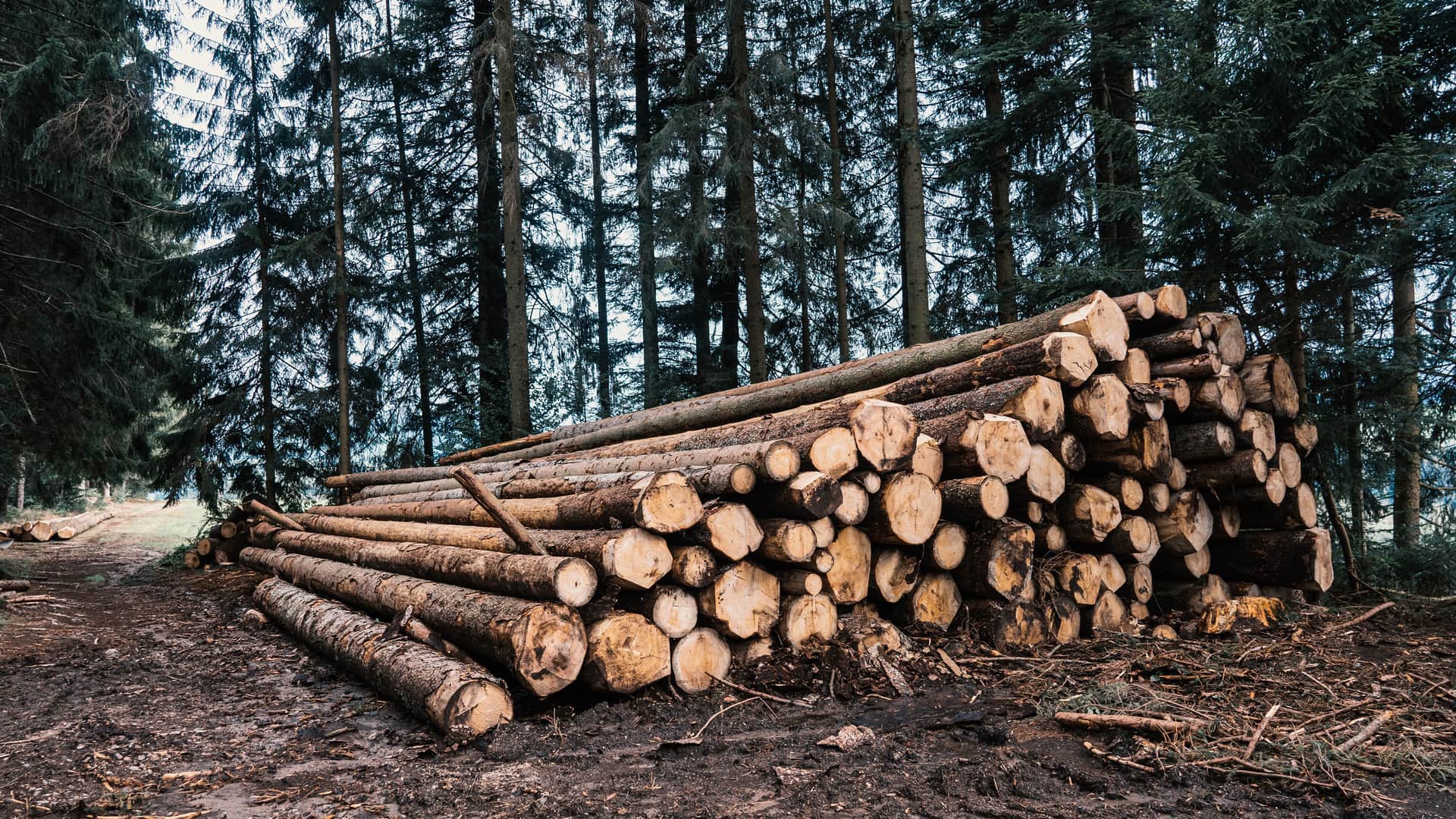
With Hyggligtmetoden, the proposed harvest is always aligned with current timber prices—so removals are focused, as far as possible, on better-paid sawlog dimensions.
With Hyggligtmetoden, the proposed harvest is always related to current timber prices and is focused on better-paid sawlog dimensions. The model also accounts for a calculated maturity diameter. That means each tree in the stand is evaluated based on its value-growth potential—whether it’s more profitable to leave the tree to grow larger, or to harvest it now.
Lower logging costs for low-paid dimensions
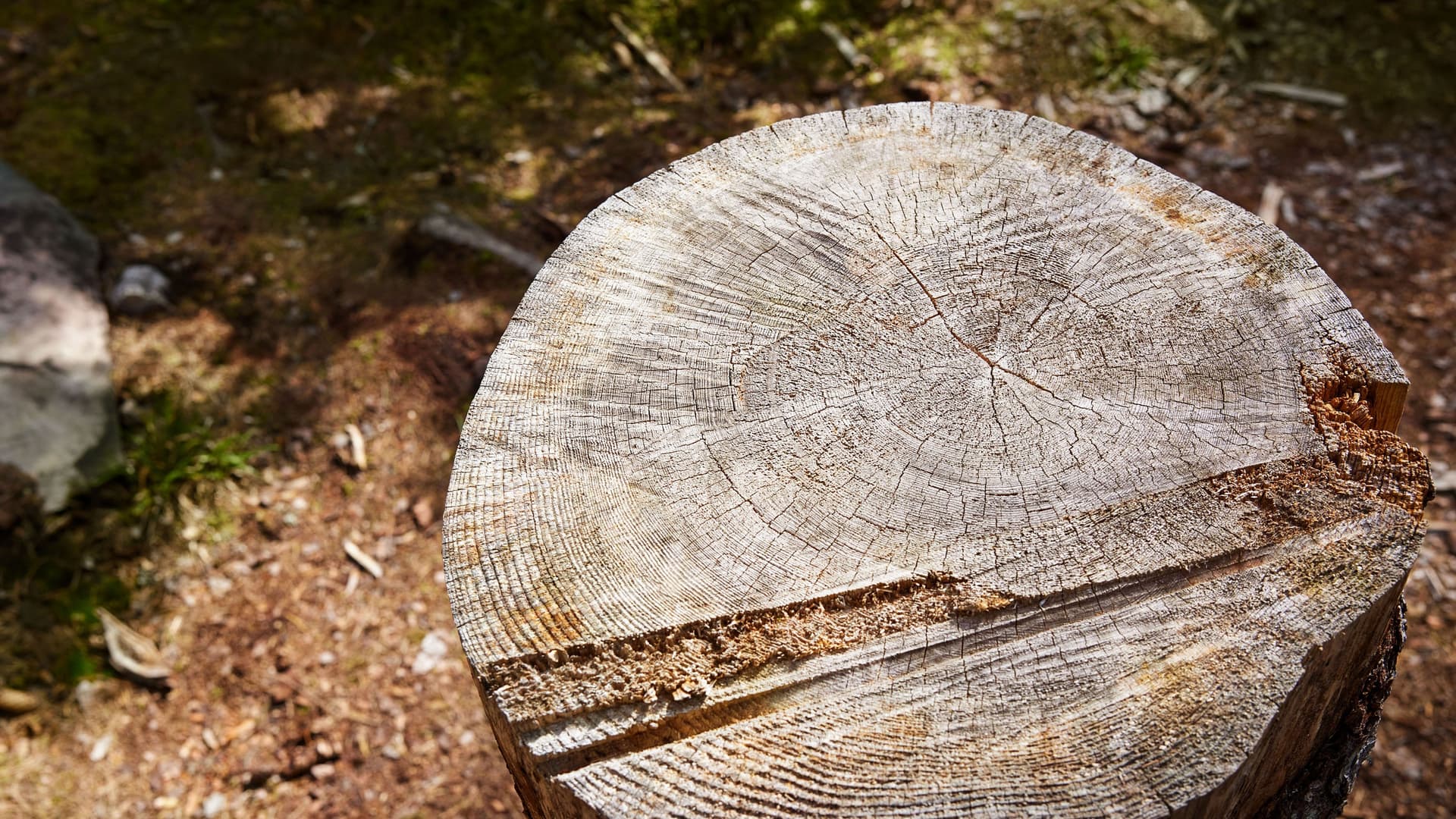
Beyond the benefit of higher prices for the timber that is harvested, the machine operator also avoids spending costly time felling trees that won’t pay well anyway. For example, studies show that landowners may receive no net revenue from stems under 15 cm in diameter.[1]
Trees in Sweden are harvested too young
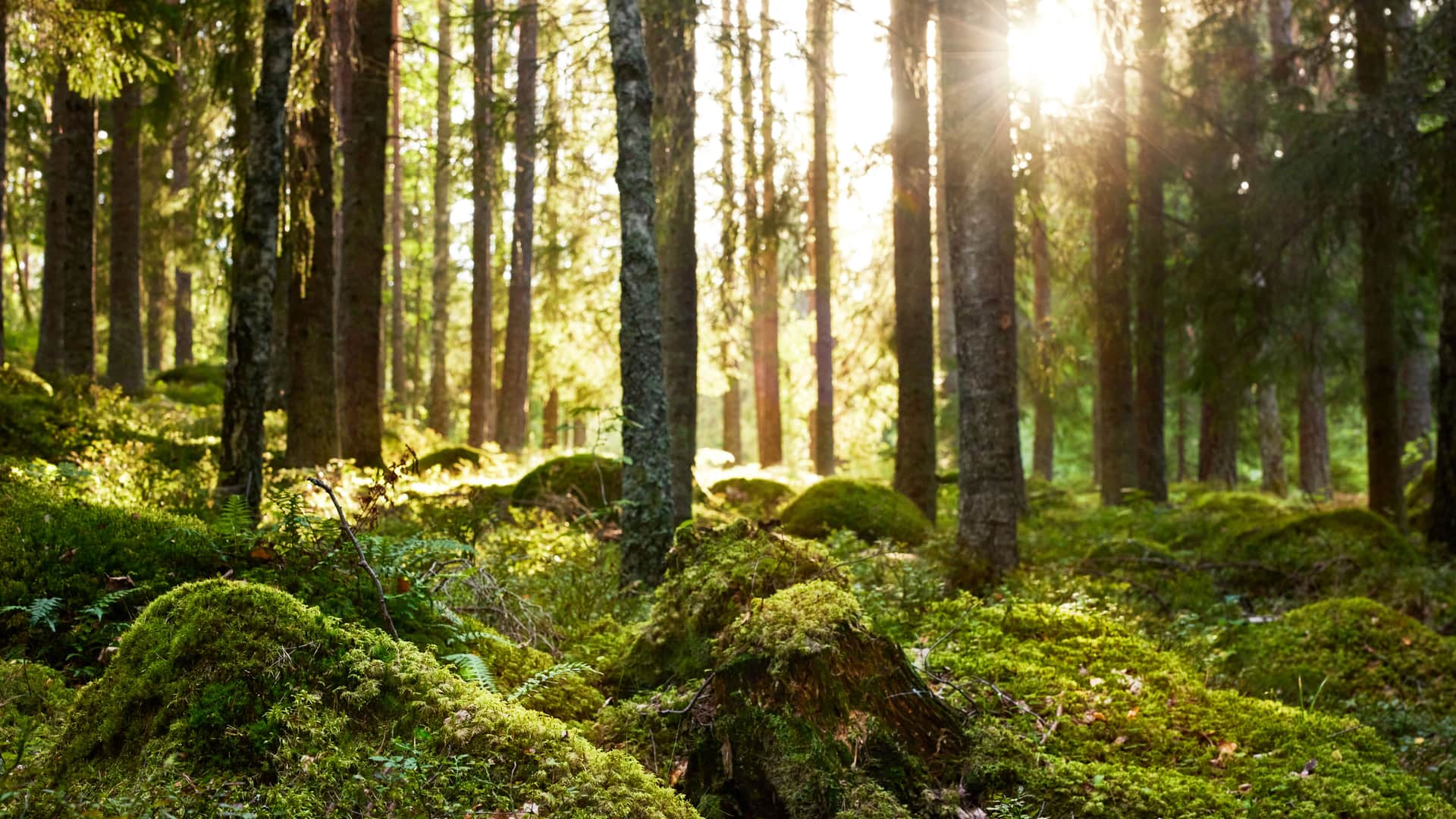
Stands managed with continuous-cover forestry (hyggesfritt skogsbruk) contain far more large-diameter trees than stands managed with clearcut forestry (kalhyggesbruk), because trees are left until they are mature. Tree volume is also strongly linked to diameter. For example, a spruce with a 33 cm diameter at breast height has roughly double the volume of a spruce at 25 cm. In Sweden, the average breast-height diameter of trees that are final felled is about 20 cm.[2]
That means forest owners today can lose significant value simply because trees are harvested too early. In continuous-cover forestry, the average diameter of harvested trees is 28 cm. Removing larger trees means a greater share of harvested volume can be sold as sawlogs, which pays better. Timber is also priced by quality: for example, pine forests managed with continuous-cover methods can deliver 25% first-class sawlogs, compared with 2–3% in clearcut-managed forests.[3]
Continuous-cover management is more profitable for forest owners
The strategy described above—basing removals on what pays best—aligns well with research comparing profitability in continuous-cover forestry and clearcut forestry. These studies show that continuous-cover systems are more profitable for forest owners.[4] In this research, the management systems are compared using net present value calculations, a widely accepted way to assess profitability over time when comparing investment alternatives.[5] Net present value is also the standard method used in clearcut-forestry calculations. Establishment costs are lower under continuous-cover management.
References
Hagner, M. (2017) Naturkultur. Mats Hagners Bokförlag.
Skogsstyrelsen (2014), Skogsskötselserien nr. 11 Blädningsbruk. Lundqvist, Lars mfl.
Fagerberg, N. Kontinuitetsskogsbruk.se
Pukkala, T. Laiho, O. Lähde, E. (2011) Uneven vs even-aged management in Finnish Forest. Joensuu, Finland: Univesity of Joensuu. Parkano, Finland: Finnish Forest Institute, Parkano. Vantaa, Finland: Finnish Forest Institute.
Udd, D. & Rowell, J. (2013) Profitability Comparison between Selective Cutting and Clear Cutting Forestry in Sweden, SLU.