Harvest planning for selection cutting
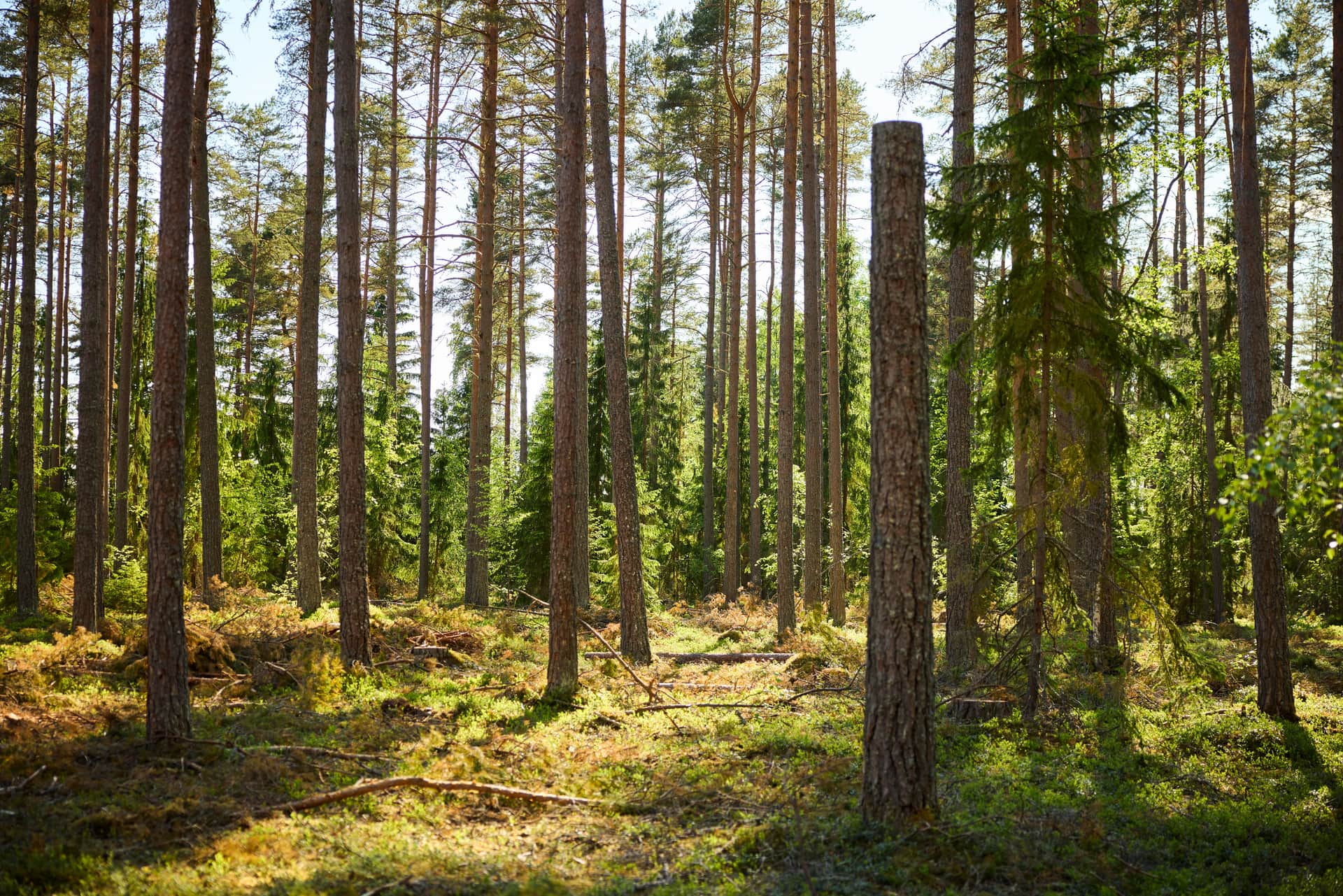
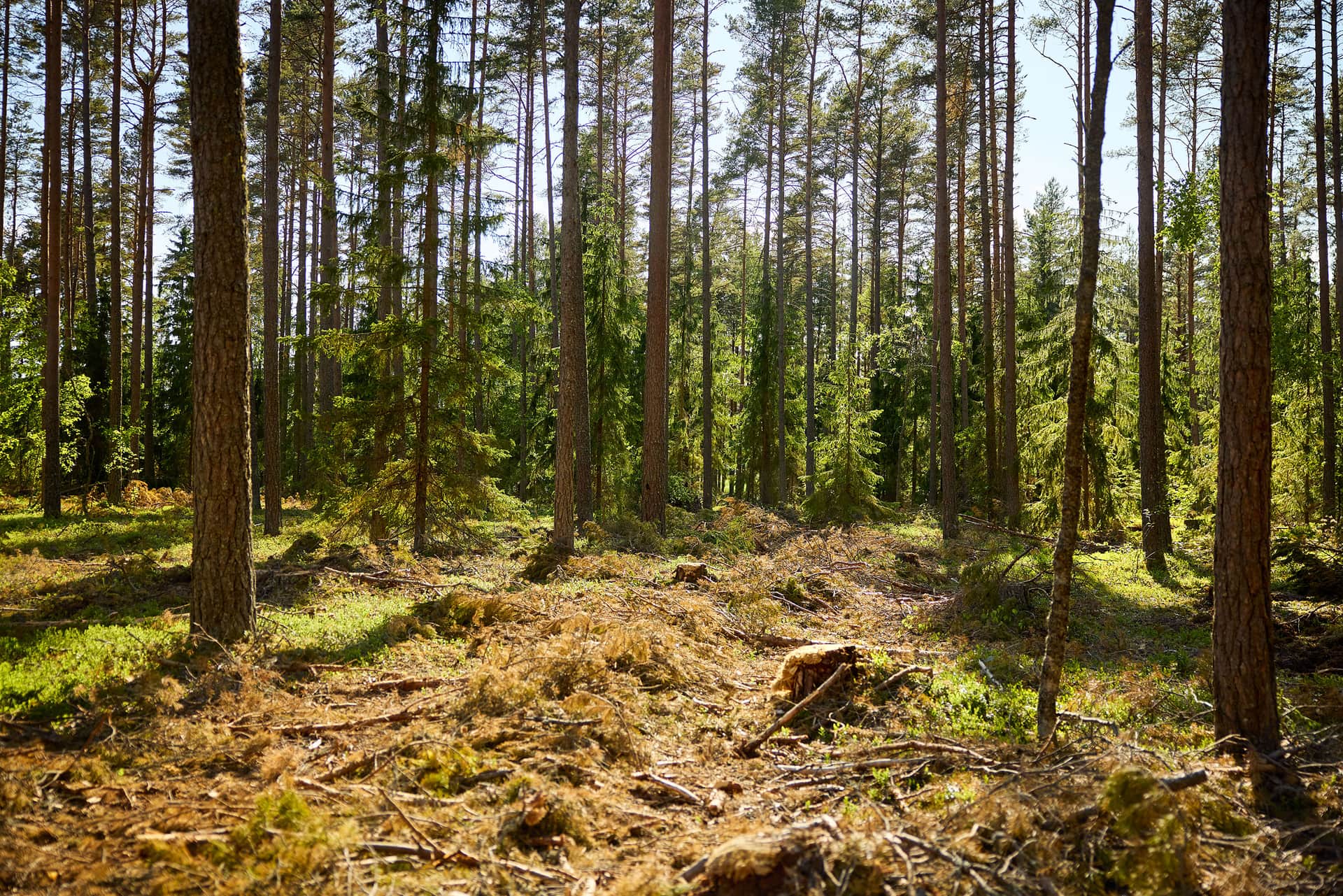
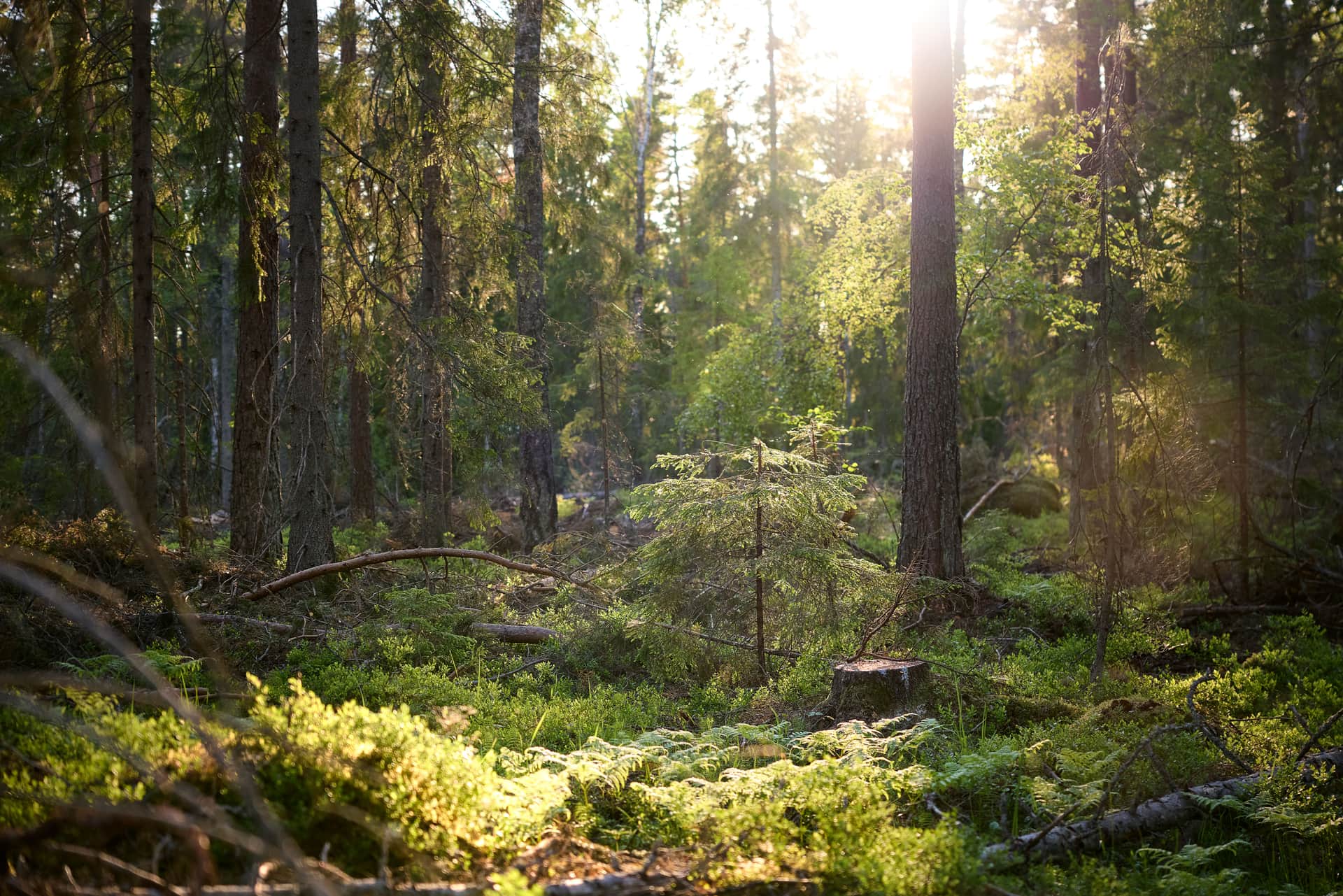
We help forest managers plan and harvest using centered selection cutting (centrerad plockhuggning). Our planning and tree selection are optimized for long-term sustainability and profitability.
Centered selection cutting with the Hyggligt concept
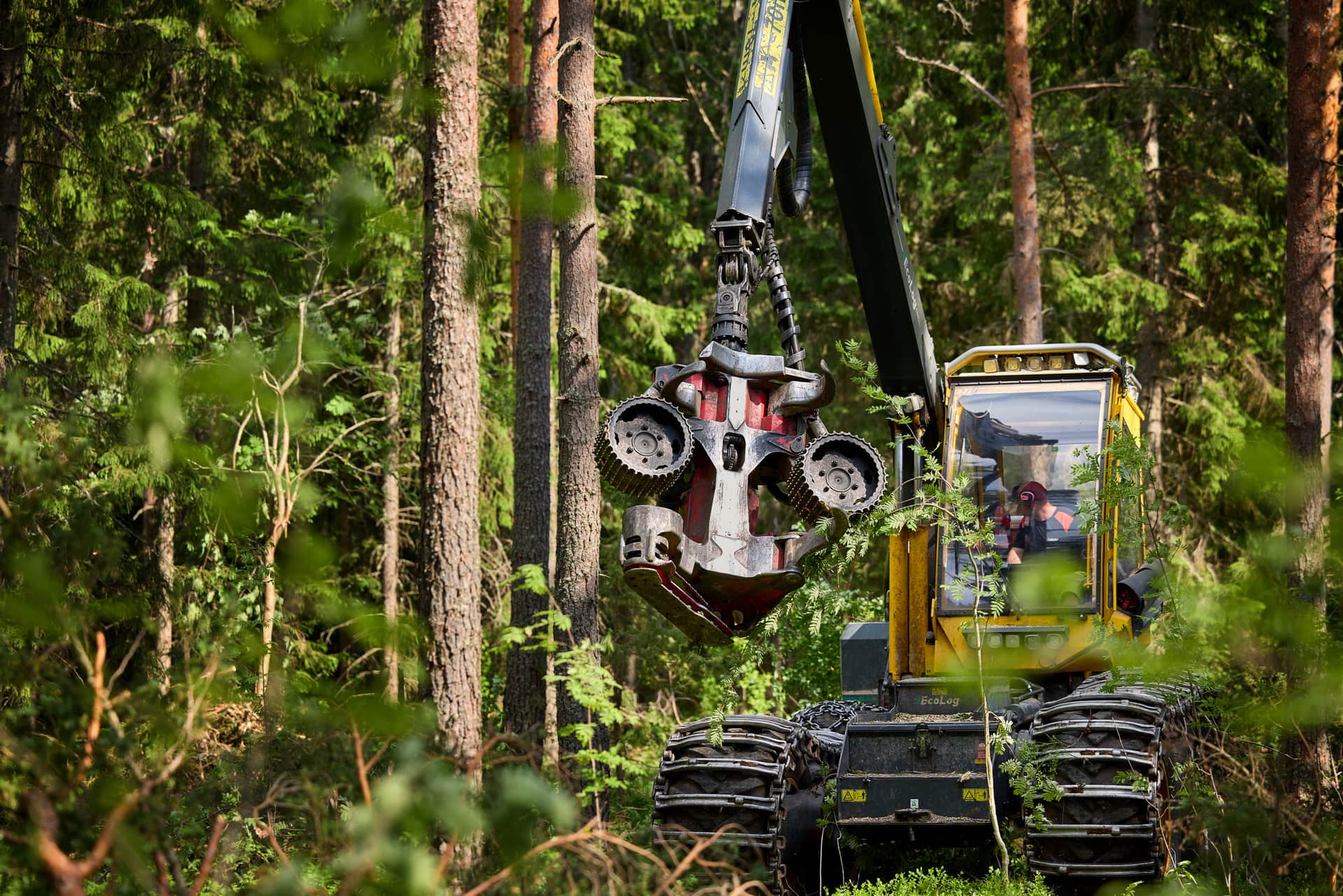
What makes centered selection cutting (centrerad plockhuggning) unique compared to other continuous-cover harvesting methods is that the tree selection is research-based. We combine it with efficient data collection and analysis, and then present the selected trees in a mapping tool for the harvester operator—making selection cutting (plockhuggning) both straightforward and efficient.
Tree selection factors
of the Hyggligt concept
- 01
Timber volume
Tree diameter and basal area are calculated. - 02
Tree species
Different calculations are made depending on species. - 03
Local competition between trees
To maximize long-term profitability. - 04
Current timber prices
The harvest share is calculated against the current timber price. - 05
Tree vitality (in development)
Detect diseased trees, e.g. spruce bark beetle and pine blister rust. - 06
Fire and storm damage risk (planned)
Detect trees with a high risk of damage. - 07
Optimal extraction tracks (planned)
Minimize the risk of track damage and ground impact. - 08
Increased biodiversity consideration (planned)
- 09
Optimize climate benefit (planned)
Drone-based data collection
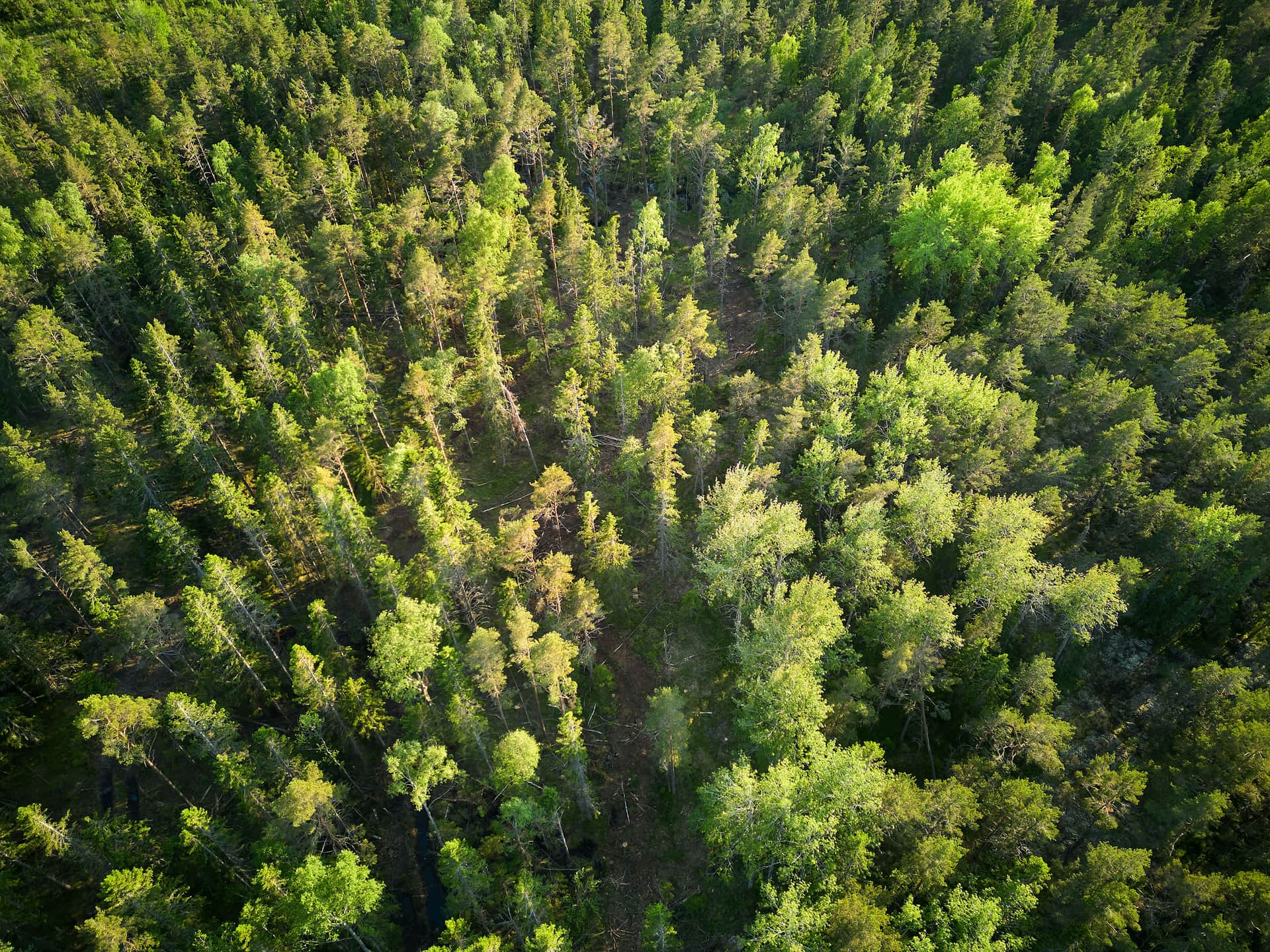
We fly a drone equipped with a LiDAR scanner, which means the forest is scanned with lasers. The result is a point cloud—a digital twin of the forest—where we can distinguish which points represent trees and which represent ground, among other things.
Tree-level analysis and optimization
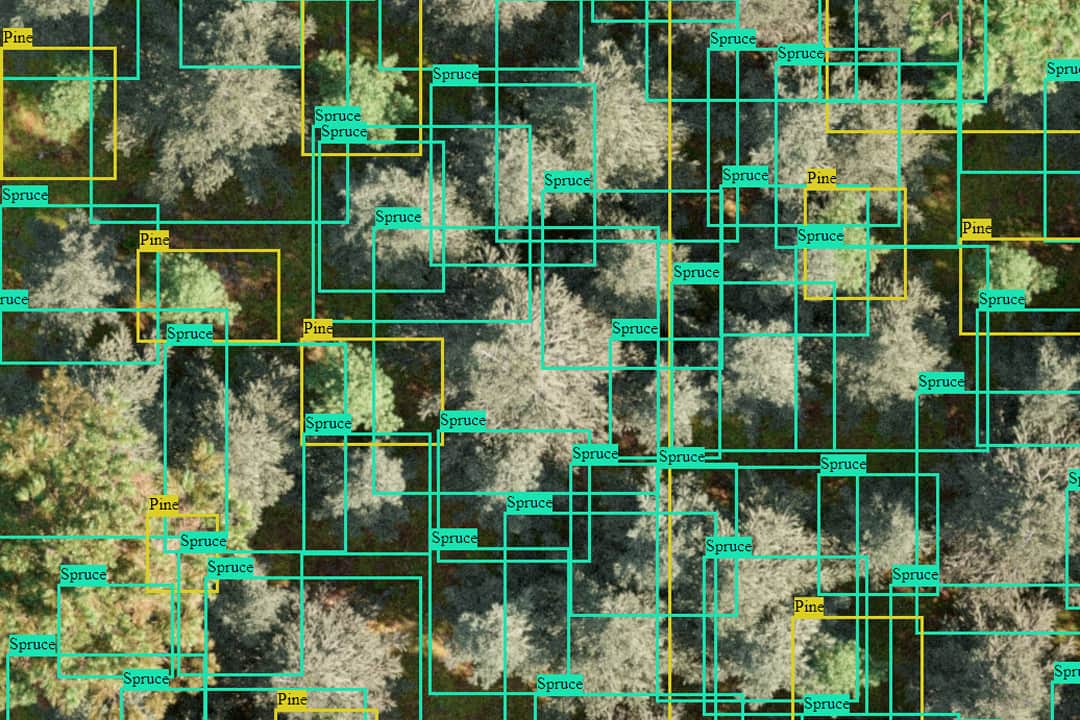
Once we’ve collected the drone data, we analyze it using our in-house software. First, the data is processed by an image recognition model to identify tree species. Then it’s used to estimate height, diameter, and volume for each individual tree. We also calculate basal area (grundyta) in the stand and around each tree. Finally, we run our selection algorithm on the analyzed data.
Get in touch and we’ll tell you more about how we can help
- Email: hej@hyggligt.se
- Phone: +46 73-850 46 75